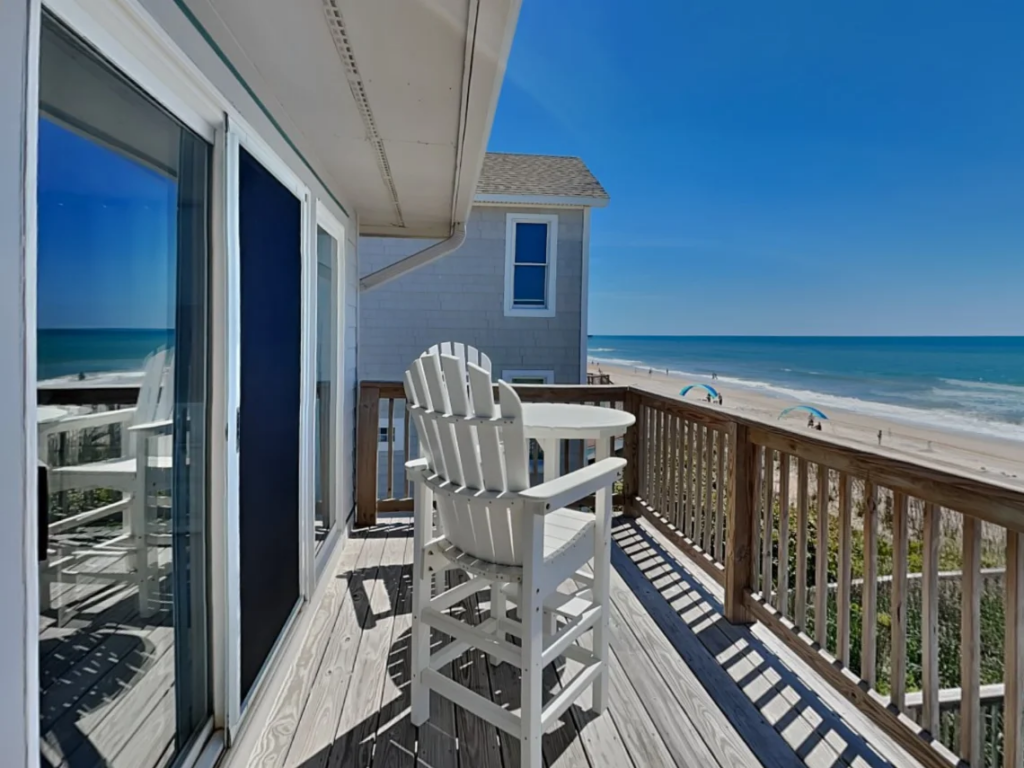
If you’re researching Surf City NC real estate, chances are you’re looking for more than a list of homes for sale. You want to know what it actually costs to buy here, what you need to consider when owning property at the beach, whether a vacation rental could make sense, and what living on or near Topsail Island is really like.
As a Topsail Island Realtor and a Surf City property owner myself, I understand that buying at the coast comes with a different set of questions than buying a home inland. There are insurance costs, flood zones, rental considerations, maintenance, and location differences that can all affect which property makes the most sense for you. Whether you’re considering a primary residence, second home, vacation rental, or investment property, this Surf City NC real estate guide will walk you through some of the biggest things to know before you buy.
Why Buyers Are Interested in Surf City NC Real Estate
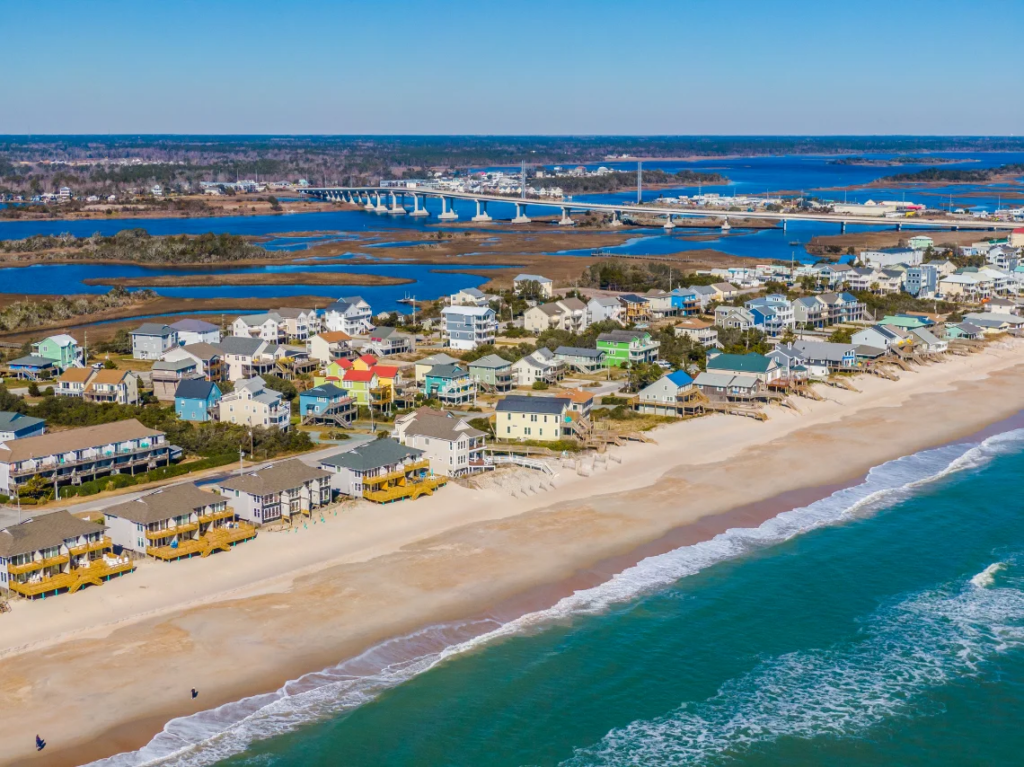
Surf City sits along Topsail Island and extends onto the mainland, which gives buyers a surprisingly wide variety of options when it comes to both lifestyle and real estate. You can find oceanfront homes with direct beach access, second-row properties within walking distance of the beach, condos and townhomes, homes along the Intracoastal Waterway, and mainland properties with a little more distance from the sand.
For many buyers, Surf City offers a combination of coastal living, vacation rental potential, and convenient access to Wilmington. You can enjoy the slower pace of a beach community without feeling completely disconnected from the restaurants, shopping, airport, healthcare, and other amenities available in the Wilmington area. And if you’re coming from the Triangle, Surf City is close enough to make owning a second home at the coast realistic without having to plan an entire vacation every time you want to use it.
Surf City Home Prices in 2026
One of the first questions I get from buyers is naturally: What does it cost to buy a home in Surf City? There’s a pretty wide range because location matters tremendously at the coast. As a general guide, buyers in 2026 are seeing:
Oceanfront homes: $1M+
Second-row and water-view homes: $700K–$1M
Inland and mainland homes: $450K–$700K
Townhomes and condos: $350K–$600K
Those ranges can shift based on the property’s condition, age, size, water access, views, rental history, and exact location.
The good news for buyers is that there are different entry points depending on what you actually want from the property. Someone searching for a full-time home on the mainland may be looking at a very different part of the market than someone who wants an oceanfront vacation rental. We’re also seeing buyers have more room to negotiate than they did during some of the more competitive recent years, which makes understanding the individual property and current market especially important.
Surf City attracts plenty of buyers who aren’t planning to live in their property full-time. Some want a second home their family can enjoy throughout the year while renting it during peak vacation periods. Others are approaching the purchase primarily as an investment.
Surf City benefits from seasonal tourism, repeat visitors, and demand for vacation rentals, particularly during the warmer months. But owning a beach rental isn’t as simple as buying a house, putting it on Airbnb, and collecting passive income. Rental performance can depend on factors including:
Proximity and access to the beach
Number of bedrooms and bathrooms
Parking
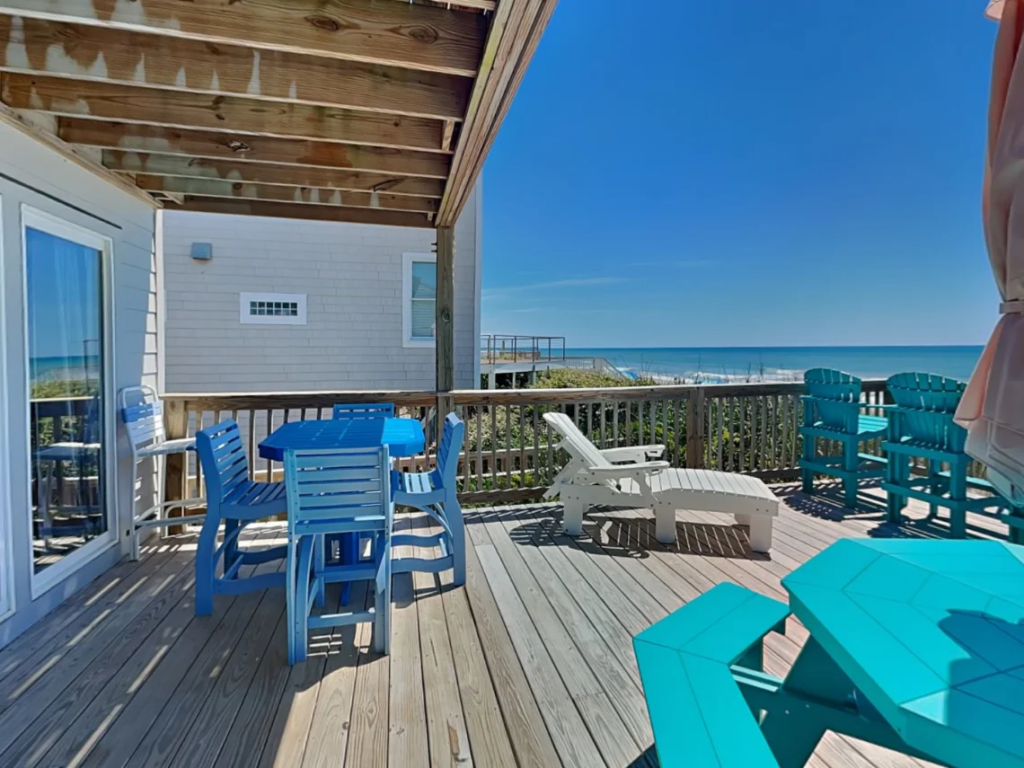
Outdoor living space
Property condition and amenities
Existing rental history
Property management and marketing
You’ll also want to account for seasonal fluctuations, management fees, cleaning and turnover costs, insurance, maintenance, and any HOA or rental restrictions before deciding whether the numbers work for you.
What to Know About Short-Term Rentals in Surf City
If rental income is part of your plan, don’t wait until after you’ve found a house you love to start investigating the rules. Before purchasing, you’ll want to verify the regulations that apply to the specific property, including local short-term rental requirements and any HOA restrictions, minimum rental periods, or rules surrounding owners and renters with pets.
Two properties that look equally appealing online may offer very different opportunities once you dig into the details. And even when a property can legally be used as a vacation rental, that doesn’t automatically mean it will be a strong performer. Beach access, parking, layout, outdoor space, amenities, and the experience you’re able to offer guests all matter. This is an area where doing your homework before you buy can save you a lot of frustration later.
Coastal Risks to Understand Before You Buy
Owning a beach house is incredible, but coastal ownership comes with responsibilities and expenses that you don’t necessarily encounter with a home farther inland. That doesn’t mean you should be afraid to buy at the beach. It means you should understand what you’re buying.
Flood Zones: Flood zone designation can affect insurance requirements, ownership costs, and potentially resale. The exact property and its elevation matter, so this is something to investigate for the individual home rather than making assumptions based on the neighborhood alone.
Insurance: Coastal properties may involve several types of coverage, including homeowners insurance, flood insurance, and wind and hail coverage. Insurance costs should be part of your budget from the beginning rather than something you discover after you’re already under contract.
Coastal Maintenance: Then there’s the beach itself. Salt air, humidity, wind, and sun can be harder on exterior finishes, HVAC equipment, decks, railings, hardware, and other parts of a home. Regular maintenance is simply part of coastal ownership, and understanding that upfront makes it much easier to budget realistically.
One of the things I like about the Surf City market is that there isn’t just one type of beach property.
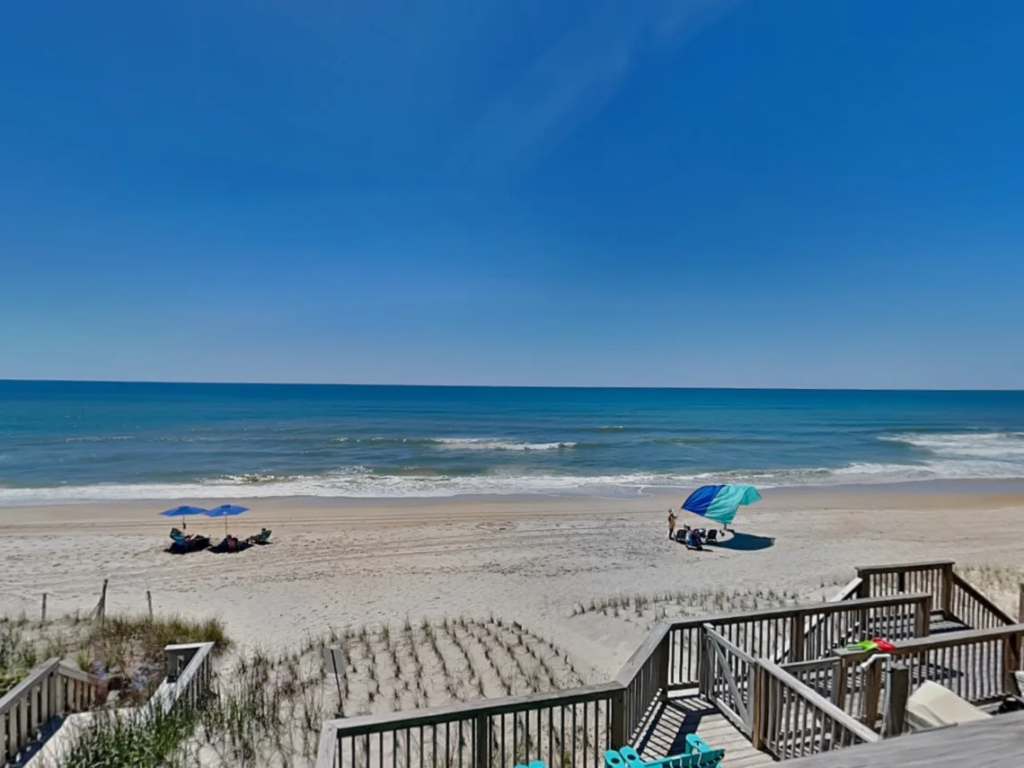
Oceanfront Homes: If walking directly from your property onto the beach is the dream, oceanfront puts you as close as possible. You’ll generally pay a premium for that location, but oceanfront homes can also be highly desirable for vacation renters.
Second-Row and Water-View Homes: For buyers who want to be close to the beach without paying oceanfront prices, second-row and water-view properties can offer an appealing middle ground. Depending on the property, you may still have easy beach access and strong rental potential.
Mainland and Intracoastal Properties: Moving away from the ocean can give you more options when it comes to price, lot size, and properties suited to full-time living. Some buyers also prefer being close to Surf City without living directly on the island.
Townhomes and Condos: Townhomes and condos can provide another entry point into Surf City real estate, particularly for buyers who want less exterior maintenance. Just make sure you understand exactly what the HOA covers, along with any rental restrictions and fees, before purchasing.
Is Surf City a Buyer’s or Seller’s Market in 2026?
The Surf City market has become more balanced compared with the extremely competitive conditions buyers experienced in previous years. Homes are generally taking longer to sell, buyers have more choices, and there can be more room for negotiation. That creates opportunities for buyers, but it doesn’t mean every property is automatically a good deal. For sellers, it means pricing and presentation matter even more. Buyers have enough options that they can compare homes carefully, and properties that are overpriced or don’t show well can have a harder time competing.
Real estate at the coast is also highly property-specific. An oceanfront home with strong rental history may behave very differently from a mainland property, so I always recommend looking beyond broad market headlines and evaluating the actual segment you’re buying or selling in.
Selling a Home in Surf City NC
If you’re thinking about selling a Surf City property, today’s market requires more than putting the home in the MLS and waiting for buyers to find it. Many potential buyers aren’t local, which means their first experience with your property happens online. Professional photography, video, thoughtful listing copy, and strong digital marketing can make a meaningful difference in getting them to stop scrolling and take a closer look.
Pricing is equally important. Buyers can see competing listings, price reductions, days on market, and recently sold properties before they ever schedule a showing. Before real estate, I spent 22 years in advertising, so marketing is a major part of how I approach selling a home. The goal is to understand who the likely buyer is, position the property accordingly, and give them a reason to choose your home over the other options they’re seeing.
Your purchase price and mortgage are only part of the equation when you’re buying at the beach. Depending on the property, your ongoing expenses may include:
Mortgage payments
Homeowners insurance
Flood insurance
Wind and hail coverage
HOA dues
Routine maintenance
Repairs and replacements
Property management and turnover expenses if you rent the home
The exact costs will be different for every property, which is why I encourage buyers to look at the total cost of ownership before deciding what they’re comfortable spending. A $600,000 beach property with one set of expenses could look very different financially from another $600,000 property once insurance, HOA dues, maintenance, and rental income are taken into account.
If you’re considering Surf City, you may also be looking at Wrightsville Beach, Carolina Beach, Topsail Beach, or other coastal communities nearby. Each offers something a little different.
Wrightsville Beach generally comes with a higher price point and more of a luxury market. Carolina Beach tends to have a busier tourism scene. Topsail Beach, at the southern end of Topsail Island, offers a quieter feel with less commercial development.
Surf City sits somewhere in between, offering restaurants and conveniences alongside the beach-town lifestyle and a mix of properties that can work for full-time residents, second-home owners, and investors.
The best fit ultimately depends on how you plan to use the home, your budget, and what you want your time at the coast to look like.
Surf City NC Real Estate FAQs
Is Surf City NC a good place to live?
For buyers who want coastal living with access to everyday conveniences and the greater Wilmington area, Surf City can offer a great balance. Whether it’s right for you depends on your priorities, budget, commute needs, and whether you’re planning to live on the island or mainland.
Can you Airbnb a home in Surf City?
Short-term rentals are possible in many Surf City properties, but don’t assume a particular home can be rented simply because nearby properties are. Always verify current local requirements and any HOA or property-specific restrictions before purchasing.
How much does it cost to buy a home in Surf City NC?
Prices vary considerably based on location and property type. In 2026, buyers may see everything from condos and townhomes in the $350K–$600K range to oceanfront homes priced at $1 million and above.
Is Surf City NC in a flood zone?
Flood-zone status varies by property. Rather than assuming all beach properties have the same designation or insurance requirements, check the flood information and elevation for the specific home you’re considering.
Is Surf City a good place to buy an investment property?
It can be, particularly for buyers interested in vacation rentals, but the numbers need to work for the individual property. Rental history, location, beach access, insurance, management costs, maintenance, seasonality, and restrictions should all factor into your decision.
Thinking About Buying or Selling in Surf City NC?
Whether you’re looking for a beach house for your family, considering a vacation rental, investing in coastal real estate, or thinking about selling a property you already own, having the right information upfront makes a big difference. As both a Realtor and Surf City property owner, I understand that buying and selling at the coast comes with considerations you don’t always encounter in other markets. If you’re exploring Surf City NC real estate, contact me here and let’s talk about what you’re looking for.
Heather Donovan Heather D Real Estate | Brokered by Choice Residential